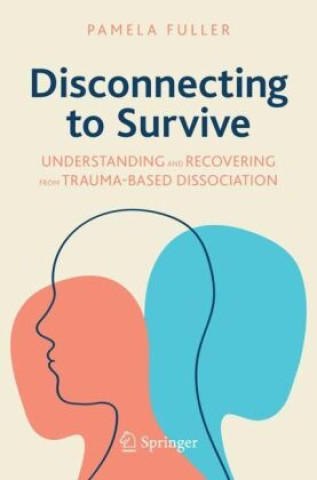
Książka Disconnecting to Survive Pamela Fuller

Disconnecting to Survive

Understanding and Recovering from Trauma-based Dissociation

Autor: Pamela Fuller
Język: Angielski
Oprawa: Twarda
Wydawca: Springer, Berlin
Dostępność: Dostępna u dostawcy
Wysyłamy za 10-13 dni
160.22
This book provides up-to-date guidance on how to recognize and reduce trauma-based dissociation. Thr...

Informacje o książce

Język
Angielski
Oprawa
Książka - Twarda
Data wydania
2024
strony
180
EAN
9783031481536
Enbook ID
44312433
Waga
456
Wymiary
155 x 235

Pełny opis

This book provides up-to-date guidance on how to recognize and reduce trauma-based dissociation. Through a therapist-guided approach, readers will increase their awareness of their own experiences of dissociation and develop strategies for reducing these responses, with an overall goal of feeling more connected within themselves and with others. Trauma-based dissociation usually first occurs during a very threatening situation from which there is no physical escape. The dissociative response happens automatically for protection outside of awareness, so the person doesn't realize what they were doing. This protective response can happen again when other concerning situations occur, and eventually develop into an automatic response to perceived threats.  Disconnecting to Survive:  Understanding and Recovering from Trauma-based Dissociation is a guide for individuals who experience dissociation or wonder if they do, and for their family, friends, and professionals who want to help them. Several unique features of this book make it valuable as a therapeutic experience for trauma survivors as well as a useful resource for professionals. "Check-ins" throughout the book provide an in-the-moment experience of self-monitoring and pacing while reading. Frequent case examples enhance understanding of the ideas described and validate the experiences of readers who have persevered through traumatic life situations. A section at the end of each chapter provides opportunity to explore how the concepts apply to the reader. Readers also will learn about a three-phase model for determining their present needs and their readiness for different interventions based on their phase of trauma recovery. In addition to physical, emotional, and sexual abuse, other types of interpersonal trauma are delineated, including race-based trauma, religious trauma, medical trauma, emotional neglect, military-related trauma, and mistreatment due to sexual orientation. In addition, a chapter is devoted to each of the important topics of dissociation in children and the relationship between trauma, dissociation, and psychosis. 

Możesz być zainteresowany

STACS '94

Patrice Enjalbert
216.48
63.69

Bearing the Unbearable

Joanne Cacciatore
66.17
66.86
84.52
56.84
66.17
72.22

Chiropractic

Edzard Ernst
121.53
43.84

Klienci, którzy kupili tę książkę, kupili również

Disorganized Attachment

VINCENZO VENEZIA
66.17

Write to Heal

Rachel Havekost
73.11

Secure Base

John Bowlby
120.84

How We Heal

ELLE ALEXANDRA
81.35

Attachment

John Bowlby
134.93
69.64
293.37

Twisted pride

Cora Reilly
126.19

Mit Feder und Skalpell

Harald Salfellner
180.76
54.36

Vraždy v Dekagonu 3

Jukito Ajacudži
34.12