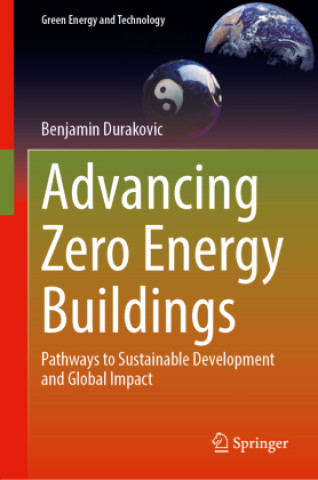
This book provides a comprehensive exploration of the advancement of Zero Energy Buildings (ZEBs) as a key strategy for achieving sustainable development and global energy goals. It delivers actionable insights into performance metrics, smart management systems, policy frameworks, and global innovations that drive the transition to renewable energy.
This book highlights the growing need for energy-efficient buildings and net-zero strategies, In light of current environmental challenges. ZEBs have become essential tools for reducing operational energy use while enhancing occupant comfort and overall building performance. This book begins by examining the strategic role of ZEBs in supporting the UN Sustainable Development Goals and national climate commitments. It then explores the evolution of energy codes and standards, offering a comparative perspective across regions and jurisdictions.
Readers are introduced to advancements in energy-efficient building strategies, including passive design, smart materials, and renewable integration. A key focus is the integration of Building Management Systems (BMS), which serve as critical enablers for ZEBs by providing real-time monitoring, adaptive control, and enhanced energy optimization. These systems enable performance transparency, predictive maintenance, and user-centered design.
Additionally, this book presents case studies of ZEB projects from around the world, showcasing technical achievements and the significance of supportive governance and financing models. Importantly, the discussion extends beyond individual buildings to Zero Energy Communities (ZECs), recognizing the potential for integrated systems across neighborhoods and urban developments. This broader perspective aligns ZEB efforts with district energy planning, smart grid deployment, and community engagement, positioning ZEBs within a larger ecosystem of sustainable urban infrastructure.
Concluding with a forward-looking perspective, the book identifies emerging trends and challenges in the global ZEB movement, including digitalization, life-cycle assessment, and resilience to climate extremes.