Książka Zebra Stripes Tim Caro

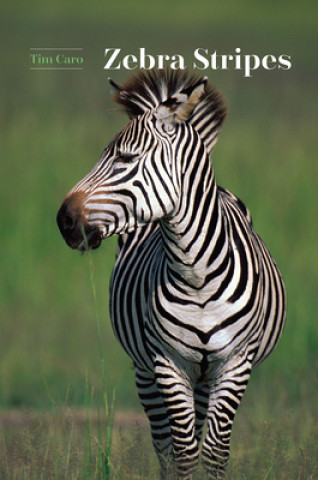
Zebra Stripes

Język: Angielski
Oprawa: Twarda
Dostępność: Dostępna u dostawcy
Wysyłamy za 14-20 dni
226.57
From eminent biologists like Alfred Russel Wallace and Charles Darwin to famous authors such as Rudy...
Informacje o książce

Język
Angielski
Oprawa
Książka - Twarda
Data wydania
2016
strony
320
EAN
9780226411019
ISBN
022641101X
Enbook ID
11360967
Waga
684
Wymiary
236 x 163 x 26

Pełny opis

From eminent biologists like Alfred Russel Wallace and Charles Darwin to famous authors such as Rudyard Kipling in his Just So Stories, many people have asked, "Why do zebras have stripes?" There are many explanations, but until now hardly any have been seriously addressed or even tested. In Zebra Stripes, Tim Caro takes readers through a decade of painstaking fieldwork examining the significance of black-and-white striping and, after systematically dismissing every hypothesis for these markings with new data, he arrives at a surprising conclusion: zebra's markings are nature's defense against biting fly annoyance. Popular explanations for stripes range from camouflage to confusion of predators, social facilitation, and even temperature regulation. It is a challenge to test these proposals on large animals living in the wild, but using a combination of careful observations, simple field experiments, comparative information, and logic, Caro is able to weigh up, scientifically, the pros and cons of each idea. Eventually--driven by experiments showing that biting flies avoid landing on striped surfaces, observations that striping is most intense where biting flies are abundant, and by his knowledge of zebras' susceptibility to biting flies and vulnerability to the diseases that flies carry--Caro concludes that black-and-white stripes are an adaptation to thwart biting fly attack. Not just a tale of one scientist's quest to solve a classic mystery of biology, Zebra Stripes is also a testament to the tremendous value of longitudinal research in behavioral ecology, demonstrating how observation, experiment, and comparative research can reshape our understanding of the natural world.
Możesz być zainteresowany

Origins of Intelligence

Sue Taylor Parker
167.39

Polar Bears

Ian Stirling
144.24

Parrots of the Wild

Timothy F. Wright
199.91

K9 Scent Training

Resi Gerritsen
172.37
122.56
122.07

Penguins

Pablo Garcia Borboroglu
132.91
72.75

Fleabag: The Scriptures

Phoebe Waller-Bridge
108.89

Out and About

Shirley Hughes
40.23
45.89

Fluke

Joseph Mazur
44.62

Spon

Barn the Spoon
109.28
31.73

Guide to Species Irises

Christabel KingWilliam R. Killens
256.56
77.73
42.57

Bold Dry Garden

The Ruth Bancroft Garden
145.71
43.94

Klienci, którzy kupili tę książkę, kupili również

525.53

Elephant!

Steve Bloom
117.48

Lost Animals

Errol Fuller
124.12

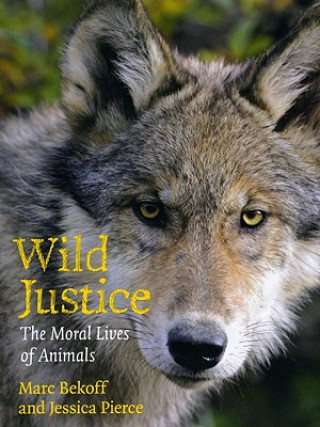
Wild Justice

Marc Bekoff
237.61

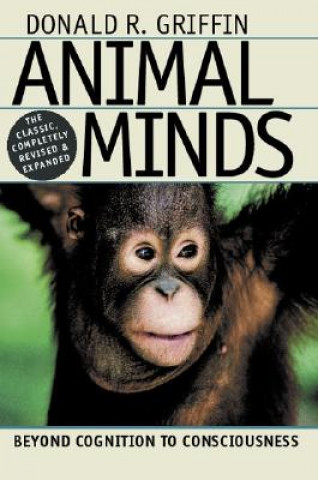
Animal Minds

Donald R. Griffin
226.08
267.98

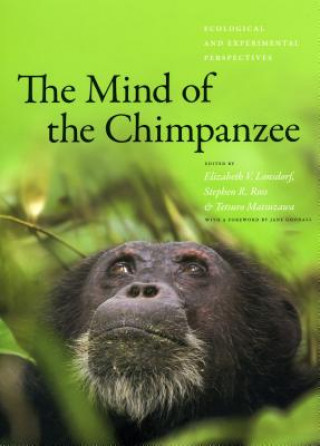
Mind of the Chimpanzee

Elizabeth V. Lonsdorf
315.74

Zebra

Christopher Plumb
79.30

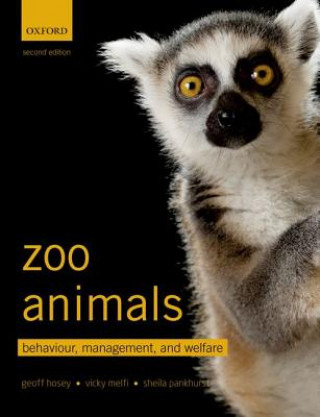
Zoo Animals

Geoff Hosey
332.93

Dog's Mind

Bruce Fogle
74.70

Learning from Animals?

Eva M. Neumann-Held
862.47

Orangutans

Serge A. Wich
500.82

Otters

Hans Kruuk
478.35
392.21

Wolves

L David Mech
132.82

Gnu's World

Richard D. Estes
275.01

Prairie Dogs

C. N. Slobodchikoff
295.92

Giraffe

Anne Innis Dagg
422.98

Kangaroos

Terence J Dawson
112.31

Bobcat

Kevin Hansen
236.83

Small Wild Cats

James G Sanderson
138.28
275.99

Safari Companion

Richard D. Estes
101.56