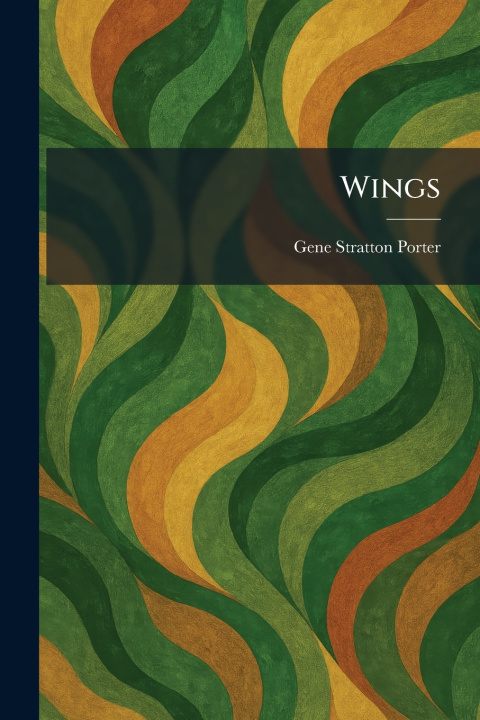
"Wings" is an evocative exploration of the natural world through the eyes of one of America's most beloved nature writers, Gene Stratton Porter. This work centers on the life and experiences of the wood-thrush, capturing the delicate beauty and the harsh realities of existence in the wild. Known for her profound ability to blend scientific observation with deep emotional resonance, Porter offers readers a rare glimpse into the avian world, celebrating the majesty of flight and the intricate patterns of the forest ecosystem.
Throughout "Wings," the author utilizes her keen eye for detail to document the habits, songs, and migrations of birds, elevating the subject from mere nature study to a poetic tribute to the environment. The narrative underscores the importance of conservation and the spiritual connection between humanity and the natural world. As a significant contribution to early 20th-century nature literature, this book remains a testament to Porter's legacy as a pioneer in wildlife preservation and a master storyteller who brought the wonders of the outdoors to a wide audience.
This work has been selected by scholars as being culturally important, and is part of the knowledge base of civilization as we know it. This work was reproduced from the original artifact, and remains as true to the original work as possible. Therefore, you may see the original copyright references, library stamps (as most of these works have been housed in our most important libraries around the world), and other notations in the work.
This work is in the public domain in the United States of America, and possibly other nations. Within the United States, you may freely copy and distribute this work, as no entity (individual or corporate) has a copyright on the body of the work.
As a reproduction of a historical artifact, this work may contain missing or blurred pages, poor pictures, errant marks, etc. Scholars believe, and we concur, that this work is important enough to be preserved, reproduced, and made generally available to the public. We appreciate your support of the preservation process, and thank you for being an important part of keeping this knowledge alive and relevant.