Książka War Rooms Wolfgang Karl Jungmeier

War Rooms

Medienphilosophische Aspekte

Język: Niemiecki
Oprawa: Miękka
Wydawca: Diplomica Verlag
Dostępność: Dostępna u dostawcy
Wysyłamy za 8-11 dni
139.70
Dieses Buch zeigt die Ursprünge und historischen Weiterentwicklungen des Konzepts "War Room". Darübe...


Informacje o książce

Język
Niemiecki
Oprawa
Książka - Miękka
Data wydania
2011
strony
150
EAN
9783842853188
ISBN
9783842853188
Enbook ID
03213617
Waga
272
Wymiary
178 x 254 x 8

Pełny opis

Dieses Buch zeigt die Ursprünge und historischen Weiterentwicklungen des Konzepts "War Room". Darüber hinaus erfolgt eine kritische Analyse der philosophischen Grundaspekte Medialität, Räumlichkeit und Zeitlichkeit in Bezug auf War Rooms.§War Rooms waren ursprünglich Kommandozentralen für den militärischen Bereich, in erster Linie darauf ausgerichtet, Entscheidungsfindungen zu optimieren. Die Weiterentwicklungen dieser geschichtlichen Konzeption sind insofern höchst bedeutsam für die Gegenwart, da sie als Vorlagen für heutige Entscheidungszentren in Politik und Wirtschaft dienen. Trotz dieser Relevanz wurde die Thematik bisher kaum bearbeitet.§Das Buch besteht aus drei Teilen: Erstens wird die historische Entwicklung der Idee des Feldherrn anhand einer vierteiligen Feldherrntypologie nachgezeichnet (genialer, technokratischer, technisch-psychologischer und informatisierter Feldherr). Zweitens werden drei bedeutsame geschichtliche Beispiele für War Rooms angeführt (Schlieffenplan, Cabinet War Rooms, White House Situations Room), die sich jeweils auf einen der drei letzten Feldherrntypen beziehen. Schließlich werden die herausgearbeiteten Feldherrnstufen hinsichtlich medienphilosophischer Aspekte analysiert. §This book evaluates the origins as well as the historical advancements of the War Room conception. Additionally, a critical analysis of the War Room's philosophical aspects, mediality, spatiality, and temporality is provided. §Originally, War Rooms were command centers for the military domain, primarily set up to optimise decision-making. The advancements of this historical conception are highly relevant, because they serve as role models for command centers in current politics and business. Even with this relevance, the topic of this book has hardly been covered until now.§This book consists of three main parts. The first part focuses on the historical development of the idea of the commander that is based on a four-part typology; ingenious, technocratic, technical-psychological, and informatised commander. The second part cites three historically important examples - Schlieffenplan, Cabinet War Rooms, and White House Situations Room - that each correspond with one of the three latter types of commanders. The last part offers an analysis on the previously elaborated levels of the commander as they pertain to the mediaphilosphical aspects.

Możesz być zainteresowany

Potenzialbeurteilung

Matthias Gebel
70.38
157.71

Asset Management

Johannes Puschitz
205.41

Village People

Rosemarie Fuchshofer
328.96
66.78

Remnant of Time

Maharaj Kaul
37.76

Ford Escort

Haynes Publishing
181.66

Klienci, którzy kupili tę książkę, kupili również

470.91
65.12
221.96

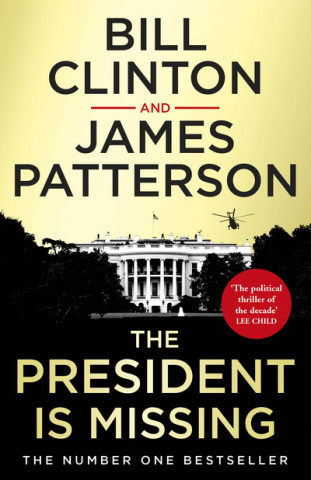
President is Missing

President Bill Clinton
44.48
223.33
108.54

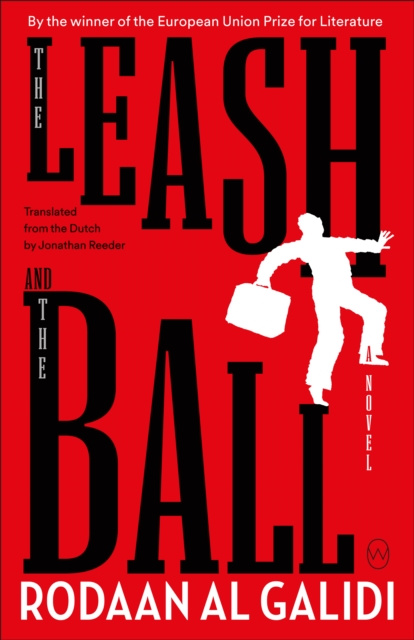
Leash and the Ball

Rodaan Al Galidi
70.48
57.43
89.56
64.93
55.09

A vítr se vrací

Vladimír Bukovskij
58.99

studioMDA

Stefania Bortolami
207.46

The Pink Umbrella

Amelie Callot
63.57

Archies & Other Stories

Matthew Rosenberg
57.24

Strangest Secret

Earl Nightingale
34.65
59.96
56.46
191.49
48.09