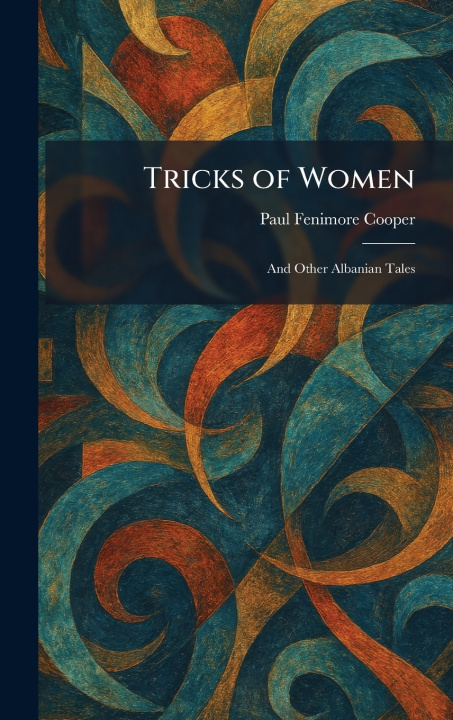
"Tricks of Women, & Other Albanian Tales" is a vibrant collection of folklore and legends that delves into the rich oral storytelling traditions of Albania. Compiled and translated to bring these narratives to a wider audience, this work presents a diverse array of stories that capture the wit, wisdom, and cultural spirit of the Balkan people.
The collection explores themes of human nature, morality, and the supernatural, often centered around clever protagonists who navigate complex social and mystical challenges. From humorous accounts of domestic trickery to traditional fables involving mythical creatures and heroic feats, these stories reflect the unique historical and geographical identity of Albania. Each tale serves as a window into a world where cunning often triumphs over brute force and where the traditional values of the region are passed down through the art of narrative.
As a significant contribution to the study of Eastern European folklore, "Tricks of Women, & Other Albanian Tales" preserves the distinct voice of a culture characterized by its resilience and imaginative depth. This anthology is an essential read for those interested in world mythology, regional history, and the timeless power of the folk story.
This work has been selected by scholars as being culturally important, and is part of the knowledge base of civilization as we know it. This work was reproduced from the original artifact, and remains as true to the original work as possible. Therefore, you may see the original copyright references, library stamps (as most of these works have been housed in our most important libraries around the world), and other notations in the work.
This work is in the public domain in the United States of America, and possibly other nations. Within the United States, you may freely copy and distribute this work, as no entity (individual or corporate) has a copyright on the body of the work.
As a reproduction of a historical artifact, this work may contain missing or blurred pages, poor pictures, errant marks, etc. Scholars believe, and we concur, that this work is important enough to be preserved, reproduced, and made generally available to the public. We appreciate your support of the preservation process, and thank you for being an important part of keeping this knowledge alive and relevant.