During the course of the past fourty years, video art has blossomed well beyond the expectations of its early practitioners and theorists. Born as a critique of television and a medium at odds with traditional pictorial forms, at its inception video was filled with an utopian promise that lead artists to belive in a true democratisation of art. Today it has reached a pinnacle of technical sophistication and aesthetic importance that was only dreamed of in the 1960s, when the accessibility of the Portapak camera seemed to allow limitless creative possibilities.
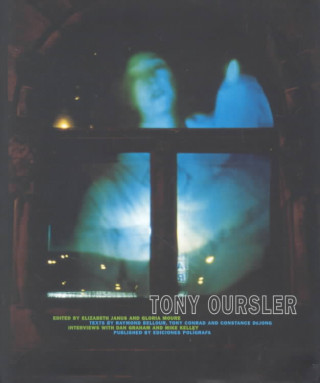
Tony Oursler stands as a major figure within the evolution of the medium, poised at the crucial turning point when the television monitor could no longer contain video's still developing potential. With a keen understanding of its technical intricacies, as well as its limitations as a time-based form, Oursler began to paint in moving images a broad picture of how visual technologies influence - even modify - our social and psychological selves.