Should Christians support the death penalty?
This question sits at the intersection of justice, faith, and the gospel-and it demands more than a simple answer.
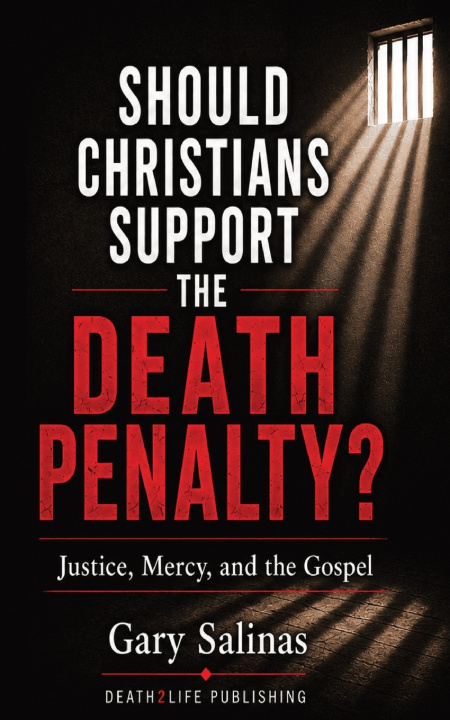
In Should Christians Support the Death Penalty?, Gary Salinas offers a thoughtful and deeply personal examination of one of the most difficult issues facing the church today. Writing from years of incarceration and ministry within the prison system, Salinas brings a perspective shaped not only by Scripture, but by lived experience among those most directly impacted by the justice system.
This book does not dismiss justice.
It takes it seriously.
Through careful biblical reflection, Salinas explores the character of God, the purpose of punishment, and the relationship between justice and mercy. He challenges readers to consider whether the death penalty is necessary in a world where society can be protected without taking life-and whether choosing restraint might better reflect the heart of the gospel.
This is not a political argument.
It is a call for Christians to think deeply, to wrestle honestly, and to pursue justice in a way that reflects both the righteousness and mercy of God.
If you are seeking a biblical, thoughtful, and experience-driven perspective on the death penalty, this book will challenge and sharpen your understanding.
Should Christians support the death penalty?
This question sits at the intersection of justice, faith, and the gospel-and it demands more than a simple answer.
In Should Christians Support the Death Penalty?, Gary Salinas offers a thoughtful and deeply personal examination of one of the most difficult issues facing the church today. Writing from years of incarceration and ministry within the prison system, Salinas brings a perspective shaped not only by Scripture, but by lived experience among those most directly impacted by the justice system.
This book does not dismiss justice.
It takes it seriously.
Through careful biblical reflection, Salinas explores the character of God, the purpose of punishment, and the relationship between justice and mercy. He challenges readers to consider whether the death penalty is necessary in a world where society can be protected without taking life-and whether choosing restraint might better reflect the heart of the gospel.
This is not a political argument.
It is a call for Christians to think deeply, to wrestle honestly, and to pursue justice in a way that reflects both the righteousness and mercy of God.
If you are seeking a biblical, thoughtful, and experience-driven perspective on the death penalty, this book will challenge and sharpen your understanding.