Książka Sewing Women Margaret M. Chin

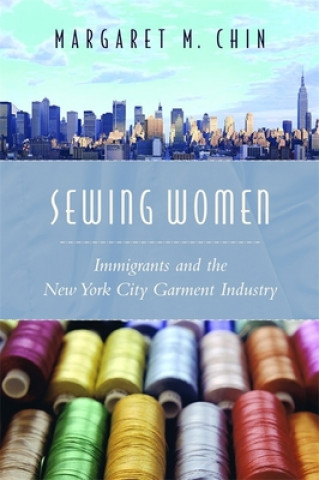
Sewing Women

Immigrants and the New York City Garment Industry

Język: Angielski
Oprawa: Miękka
Dostępność: Dostępna u dostawcy
Wysyłamy za 14-21 dni
159.38
Many Latino and Chinese women who immigrated to New York City over the past two decades found work i...

Informacje o książce

Język
Angielski
Oprawa
Książka - Miękka
Data wydania
2015
strony
208
EAN
9780231133098
ISBN
023113309X
Enbook ID
09292008
Waga
342
Wymiary
152 x 229 x 15

Pełny opis

Many Latino and Chinese women who immigrated to New York City over the past two decades found work in the garment industry-an industry well known for both hiring immigrants and its harsh working conditions. Today the garment industry is one of the largest immigrant employers in New York City and workers in Chinese- and Korean-owned factories produce 70 percent of all manufactured clothing in New York City. Based on extensive interviews with workers and employers, Margaret M. Chin, offers a detailed and complex portrait of the work lives of Chinese and Latino garment workers. Chin, whose mother and aunts worked in Chinatown's garment industry, also explores how immigration status, family circumstances, ethnic relations, and gender affect the garment industry workplace. In turn, she analyzes how these factors affect whom employers hire and what wages and benefits are given to the employees. Chin's study contrasts the working conditions and hiring practices of Korean- and Chinese-owned factories. Her comparison of the two practices illuminates how ethnic ties both improve and hinder opportunities for immigrants. While both sectors take advantage of workers and are characterized by low wages and lax enforcement of safety regulations-there are crucial differences. In the Chinese sector, owners encourage employees, almost entirely female, to recruit new workers, especially friends and family. Though Chinese workers tend to be documented and unionized, this work arrangement allows owners to maintain a more paternalistic relationship with their employees. Gender also plays a major role in channeling women into the garment industry, as Chinese immigrants, particularly those with children, tend to maintain traditional gender roles in the workplace. Korean-owned shops, however, hire mostly undocumented Mexican and Ecuadorian workers, both male and female. These workers tend not to have children and are thus less tied to traditional gender roles. Unlike their Chinese counterparts, Korean employers hire workers on their own terms and would rather not allow current employees to influence their decisions. Chin's work also provides an overview of the history of the garment industry, examines immigration strategies, and concludes with a discussion of changes in the industry in the aftermath of 9/11.

Możesz być zainteresowany

90.21
73.15

All about New NVivo Mac

Allan G. McDougall
205.19

White Reconstruction

Dylan Rodríguez
143.91
89.71

OPEN HEARTS

Patrick Carnes
66.56
60.27
112.87
82.03

Talon the Black

Melissa Mitchell
117.56
736.25
35.52

Klienci, którzy kupili tę książkę, kupili również

32.23
83.63
50.29
27.14

Gedichte

Ludwig Bauer
83.13

Weiß wie der Mond

Emmanuel Lepage
141.11

Lauingers

Bettina Leder
107.78
70.55