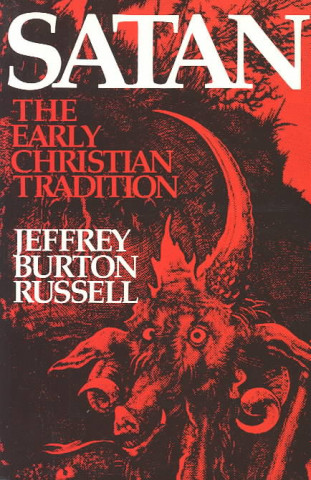
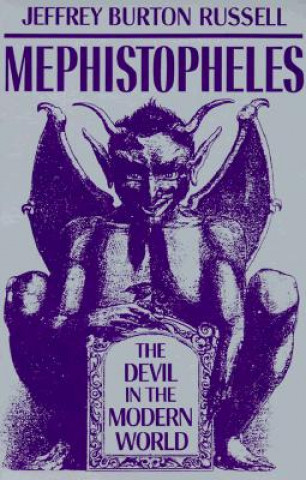
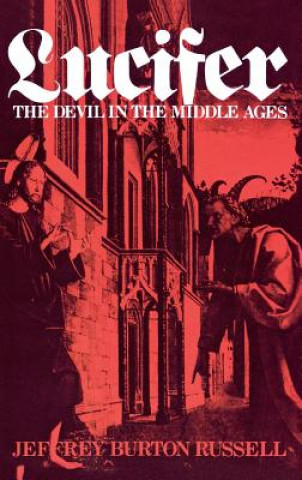
The History of the Devil, Part II: the continuation of a clear, competent, but rather dry survey. In his first volume, Russell (Univ. of California, Santa Barbara) followed the supreme symbol of evil from antiquity to the beginning of the Christian era. He now traces Satan through the first four centuries, up to and culminating in the "diabology" of St. Augustine. This period shaped much of subsequent Christian thought on the Devil, and Russell's study handily summarizes this important chapter of Western intellectual history. He notes, for example, the long shadows cast by Tertullian's doctrine that paganism and heresy are directly inspired by Satan. This means that the apparently good lives of infidels (Jews, witches, etc.) are in fact diabolical evil, a notion future Inquisitors took to heart. Like many other church fathers, Origen too had demons on the brain: he popularized the theme of human life as the setting of a psychomachia between good and evil angels. And Augustine grimly argued that, "The human race is the devil's fruit tree, his own property, from which he may pick his fruit. It is a plaything of demons." Russell's book should prove a gold mine for students of religion, though they'll need Greek to understand his footnotes. And many of them will wish he had devoted more time to the early iconography of Satan and less to the logical conundrums posed by Satan's existence (why does God allow evil spirits such power over humanity? etc.). Yet, for all the withering critical fire Russell trains on diabology, he still thinks the devil, whether personal reality or mere personification, can serve to explain the existence of evil. Perhaps. But even Russell's atheistic readers will admit his contention that, given the horrors of the 20th century, we won't be able to get the devil off our minds for a long time yet. A valuable piece of scholarship. (Kirkus Reviews)