Książka Resistance, Representation and Community Peter Blickle

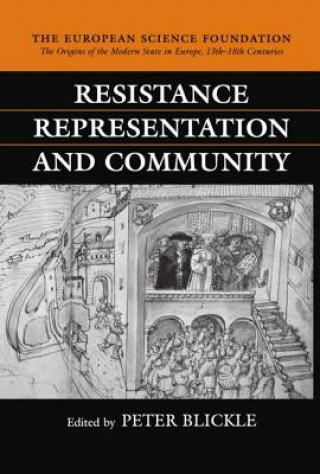
Resistance, Representation and Community

Autor: Peter Blickle
Język: Angielski
Oprawa: Twarda
Dostępność: Dostępna u dostawcy
Wysyłamy za 10-18 dni
1 288.49
By focusing on three key aspects of life and change as the European state developed, Peter Blickle b...
Informacje o książce

Język
Angielski
Oprawa
Książka - Twarda
Data wydania
1997
strony
420
EAN
9780198205487
ISBN
0198205481
Enbook ID
04523092
Waga
794
Wymiary
164 x 235 x 29

Pełny opis

By focusing on three key aspects of life and change as the European state developed, Peter Blickle brings together a wealth of scholarly experience from all over the continent to discuss the subject's role in State formation. Europe has undergone a remarkable process of democratization since the end of the Second World War, shifting the thrust of government policy away from foreign affairs and towards internal matters, and rendering social interest and conflict the driving forces in the historical process. This widespread acceptance of democracy has led to a renewed study of the history of the estates, and a corresponding increase in debate over the concept of representation. Here the debate is taken further with an examination of the role of the city constitution, and developments in rural settlements. Inextricably linked with the advent of wide-scale representation was an increase in resistance: this book examines the geographical spread of such uprisings, and offers explanations of why revolts were so few in Northern Europe but so prevalent in the Central states. The questions of who gained from the uprisings, and what they contributed to the development of the different forms of representation and community are addressed from a pan-European angle. The cities and villages of the late Middle Ages and early modern period were instrumental in building the political structure of the time. These settlements were determinative of the spirit of community, and a close inspection of these communities throws interesting light on the differences between peasant and burgher morality, and how these norms and values were integrated into the legitimizing of the state. This fascinating work examines the citizen's role in European development with a theoretical and conceptual, but also practical and pragmatic approach. The discussion crosses all national boundaries, and in a Europe which is constantly evolving is a relevant and timely addition to the series.

Możesz być zainteresowany

127.27

Reiki

Kristin Komak
17.22
79.26
52.97
80.46
1 172.17
102.17
291.89

Klienci, którzy kupili tę książkę, kupili również

35.44