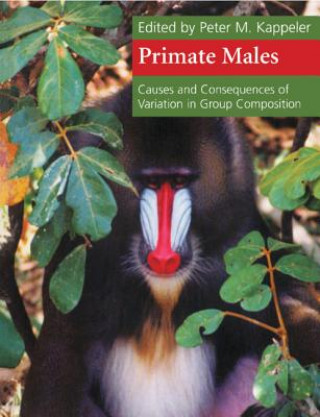
Książka Primate Males Peter M. Kappeler

Primate Males

Causes and Consequences of Variation in Group Composition

Język: Angielski
Oprawa: Miękka
Dostępność: Dostępna u dostawcy
Wysyłamy za 9-15 dni
259.14
The size and composition of primate groups varies tremendously across species, within species, and w...


Informacje o książce

Język
Angielski
Oprawa
Książka - Miękka
Data wydania
2000
strony
328
EAN
9780521658461
ISBN
0521658462
Enbook ID
02039503
Waga
675
Wymiary
190 x 247 x 21

Pełny opis

The size and composition of primate groups varies tremendously across species, within species, and within groups over time. The most variable quantity is the number of adult males. In some groups, single males can monopolize access to several females, whereas reproduction is shared among several males in other groups. This variation lies at the heart of understanding adaptive variation among social systems. Whether groups contain single or multiple males has important consequences for reproductive strategies of both sexes, and also shapes these animals' morphology and behaviour. Written by leading authorities, this book provides an extensive overview of variation in group composition across all major primate taxa, using up-to-date reviews, case studies, evolutionary theory and theoretical models, setting primates into context with birds and other mammals. It will become a firm favorite with all those interested in the behavioural ecology of primates.

Możesz być zainteresowany

520.34
638.52

Political Economy of Poland's Transition

John E. JacksonJacek KlichKrystyna Poznanska
197.96

Enigmatic Electron

Malcolm H. Mac Gregor
212.57
55.91

Destined for Liberty

Jaroslaw Kupczak
87.09
95.08
49.97

Geocomputation

Paul A. Longley
1 257.75
192.79
125.28

AI

Margaret A. Boden
74.52
1 180.49
212.57
414.63

Mammals of Africa

Jonathan Kingdon
3 186.18

Klienci, którzy kupili tę książkę, kupili również

150.12

Ideenpopcorn

Carolin Summer
70.53

Theognidis Reliqui?

Friedrich Gottlieb Theognis
95.08
40.42

Alcool e nicotina

Rudolf Steiner
35.06

Friedrich Kittler zur Einführung

Geoffrey Winthrop-Young
60.69