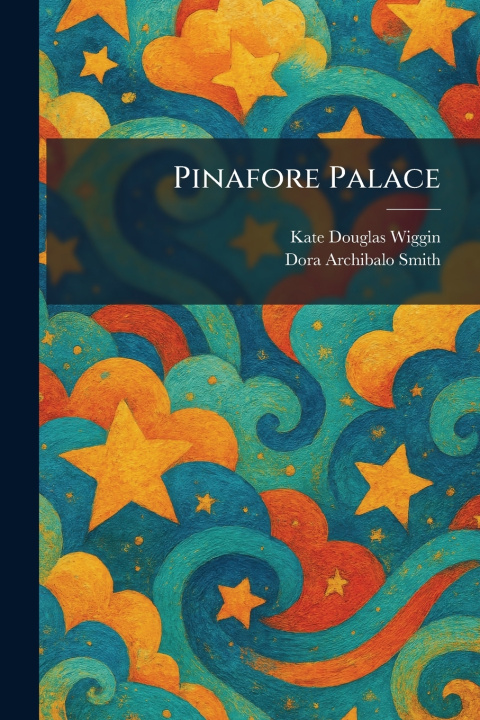
"Pinafore Palace" is a classic anthology of nursery rhymes and poetry specifically curated for the youngest readers. Compiled by the celebrated authors Kate Douglas Wiggin and Nora Archibald Smith, this collection offers a wide array of verses that capture the essence of early childhood. The volume is structured to guide a child's development, moving from simple, rhythmic jingles and lullabies to more sophisticated poems about the natural world, animals, and the joys of play.
Each selection within "Pinafore Palace" has been chosen for its lyrical quality and its ability to spark the imagination. The work serves as an essential introduction to the English literary tradition for children, preserving the timeless charm of traditional folklore and rhythmic storytelling. This anthology remains a valuable resource for parents and educators, providing a rich tapestry of language that helps foster a love for reading and poetry from an early age. With its gentle themes and enduring appeal, "Pinafore Palace" stands as a foundational work in the genre of children's literature, celebrating the innocence and curiosity of the nursery years.
This work has been selected by scholars as being culturally important, and is part of the knowledge base of civilization as we know it. This work was reproduced from the original artifact, and remains as true to the original work as possible. Therefore, you may see the original copyright references, library stamps (as most of these works have been housed in our most important libraries around the world), and other notations in the work.
This work is in the public domain in the United States of America, and possibly other nations. Within the United States, you may freely copy and distribute this work, as no entity (individual or corporate) has a copyright on the body of the work.
As a reproduction of a historical artifact, this work may contain missing or blurred pages, poor pictures, errant marks, etc. Scholars believe, and we concur, that this work is important enough to be preserved, reproduced, and made generally available to the public. We appreciate your support of the preservation process, and thank you for being an important part of keeping this knowledge alive and relevant.