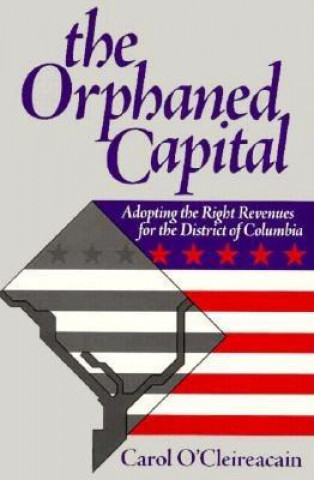
Książka Orphaned Capital Carol O'Cleiraecain

Orphaned Capital

Adopting the Right Revenues for the District of Columbia

Język: Angielski
Oprawa: Miękka
Dostępność: Dostępna u dostawcy
Wysyłamy za 14-21 dni
115.04
The nation's capital is in a fiscal and political crisis. By 1995 the District of Columbia did not h...


Informacje o książce

Język
Angielski
Oprawa
Książka - Miękka
Data wydania
1997
strony
175
EAN
9780815764250
ISBN
0815764251
Enbook ID
04728150
Waga
390
Wymiary
153 x 230 x 14

Pełny opis

The nation's capital is in a fiscal and political crisis. By 1995 the District of Columbia did not have the cash to pay its bills and faced a growing operating deficit. It was effectively shut out of the capital markets and at least three of its government agencies were in receivership. On any given day, 30 percent of the police vehicles were in the shop for repairs and 25 percent of the school buses were inoperable. Nor were adequate funds coming in: property assessors were making up the rules as they were undervaluing the tax base. In April 1995 Congress, beginning to come to grips with the situation, placed the fiscal control of the city in the hands of a presidentially appointed Control Board. The survival of the nation's capital is a matter of national concern. The Control Board and the chief financial officer have outlined the path to balancing the budget by 1999. Once the District government can deliver services efficiently, the issue of how they should be financed will need to be addressed. That is the focus of this book. Carol O'Cleireacain provides background for understanding the present situation, focusing on the revenue components and offering a realistic menu of revenue options for long-term, ongoing budget balance. She addresses such questions as: What is the " norm" for a city the size of Washington? What is the appropriate sharing among the federal government, District residents, and the region? How much compensation should be paid for the huge amount of tax-exempt property and the enormous number of nonprofit organizations in the capital? What taxes can the District impose fairly, collect efficiently without distorting decisions of individuals and businessesabout where to locate? O'Cleireacain concludes that the District's fiscal crisis is the result, in part, of economic and demographic trends reflecting the dilemmas of central cities and their suburbs nationwide; in part, the historically flawed relationship between Congress and the local government. But at the heart of the District's fiscal crisis is its special status as the nation's capital. All other American cities benefit from state aid for welfare, Medicaid, prisons, higher education, juvenile justice, and a wide range of highway, infrastructure, and other capital investments. The District does not; it has to tax its residents in order to provide state-type services. Ongoing budget balance in D.C. will require a realignment of spending and revenue responsibilities by the federal government acting as the state parent to the nation's orphaned capital.

Możesz być zainteresowany

147.60

FILM

Ferguson Publishing
166.86

Banana Fish, Vol. 7

Akimi Yoshida
36.52

Maiden of Secrets

Paul Neslusan
54.79
42.28

Moon Salutations

Laura Cornell
59.95

Klienci, którzy kupili tę książkę, kupili również

114.85
56.87