Książka Limits of Convergence Mauro F. Guill'en

Limits of Convergence

Globalization and Organizational Change in Argentina, South Korea, and Spain

Język: Angielski
Oprawa: Miękka
Dostępność: Dostępna u dostawcy
Wysyłamy za 14-21 dni
269.77
This book challenges the widely accepted notion that globalization encourages economic convergence--...


Informacje o książce

Język
Angielski
Oprawa
Książka - Miękka
Data wydania
2003
strony
304
EAN
9780691116334
ISBN
0691116334
Enbook ID
04640754
Waga
448
Wymiary
271 x 158 x 22

Pełny opis

This book challenges the widely accepted notion that globalization encourages economic convergence--and, by extension, cultural homogenization--across national borders. A systematic comparison of organizational change in Argentina, South Korea, and Spain since 1950 finds that global competition forces countries to exploit their distinctive strengths, resulting in unique development trajectories. Analyzing the social, political, and economic conditions underpinning the rise of various organizational forms, Guilln shows that business groups, small enterprises, and foreign multinationals play different economic roles depending on a country's path to development. Business groups thrive when there is foreign-trade and investment protectionism and are best suited to undertake large-scale, capital-intensive activities such as automobile assembly and construction. Their growth and diversification come at the expense of smaller firms and foreign multinationals. In contrast, small and medium enterprises are best fitted to compete in knowledge-intensive activities such as component manufacturing and branded consumer goods. They prosper in the absence of restrictions on export-oriented multinationals. The book ends on an optimistic note by presenting evidence that it is possible--though not easy--for countries to break through the glass ceiling separating poor from rich. It concludes that globalization encourages economic diversity and that democracy is the form of government best suited to deal with globalization's contingencies. Against those who contend that the transition to markets must come before the transition to ballots, Guilln argues that democratization can and should precede economic modernization. This is applied economic sociology at its best--broad, topical, full of interesting political implications, and critical of the conventional wisdom.

Możesz być zainteresowany

Dynamic SQL

Ed Pollack
204.38

Expert System's Brother

Adrian Tchaikovsky
47.55

Blossom Sisters

Fern Michaels
154.25

BigmoutH/SmallWaR

Dhaenens Valentijn Dhaenens
58.94
105.70

Americans

Hugh Munsterberg
314.75
47.35

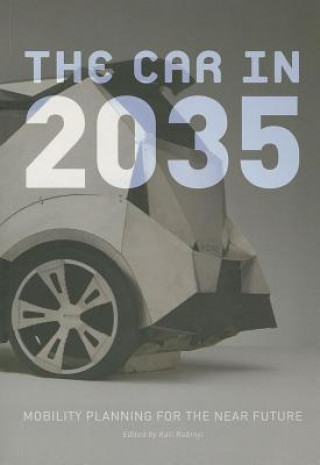
The Car in 2035

Kati Rubinyi
112.04
28.33
644.87

Soul Song

Father Eugene O´Hagan
112.94
323.77
93.52

Klienci, którzy kupili tę książkę, kupili również

48.54
290.38

Die den Sturm ernten

Michael Lüders
56.76
45.86
67.56
82.82

Langer aktiv leben!

Wolfgang Rietig
52.40