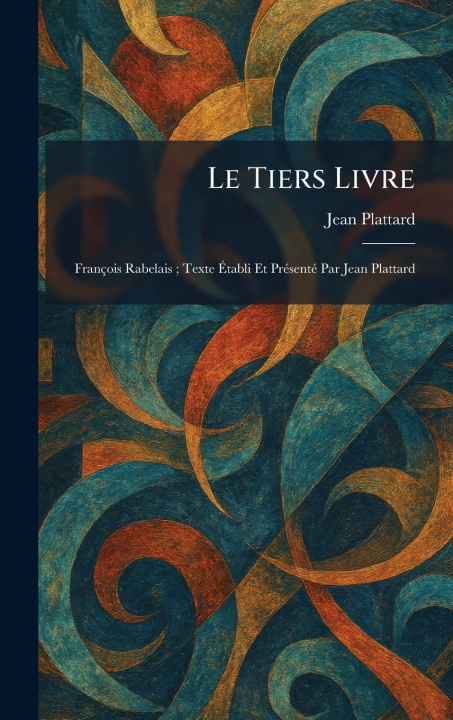
"Le Tiers Livre" des faits et dits héroïques du bon Pantagruel constitue un pilier de la littérature française de la Renaissance. Dans ce chef-d'Åuvre de François Rabelais, le récit se centre sur le personnage de Panurge et son indécision tourmentée : doit-il se marier ? Cette question, en apparence simple, devient le point de départ d'une exploration érudite et comique de la condition humaine.
À travers une série de consultations auprès de devins, de théologiens, de médecins et de philosophes, Rabelais déploie toute sa verve satirique pour moquer les travers de la société et les limites du savoir de son époque. L'Åuvre brille par sa richesse linguistique, son humour vigoureux et sa réflexion profonde sur la liberté individuelle et le destin.
Ce texte, établi avec soin, permet de redécouvrir l'humanisme de Rabelais dans toute sa complexité. Entre rire et sagesse, "Le Tiers Livre" demeure une Åuvre incontournable pour comprendre l'évolution du roman et de la pensée moderne, offrant une plongée fascinante dans l'imaginaire foisonnant du XVIe siècle.
This work has been selected by scholars as being culturally important, and is part of the knowledge base of civilization as we know it. This work was reproduced from the original artifact, and remains as true to the original work as possible. Therefore, you may see the original copyright references, library stamps (as most of these works have been housed in our most important libraries around the world), and other notations in the work.
This work is in the public domain in the United States of America, and possibly other nations. Within the United States, you may freely copy and distribute this work, as no entity (individual or corporate) has a copyright on the body of the work.
As a reproduction of a historical artifact, this work may contain missing or blurred pages, poor pictures, errant marks, etc. Scholars believe, and we concur, that this work is important enough to be preserved, reproduced, and made generally available to the public. We appreciate your support of the preservation process, and thank you for being an important part of keeping this knowledge alive and relevant.