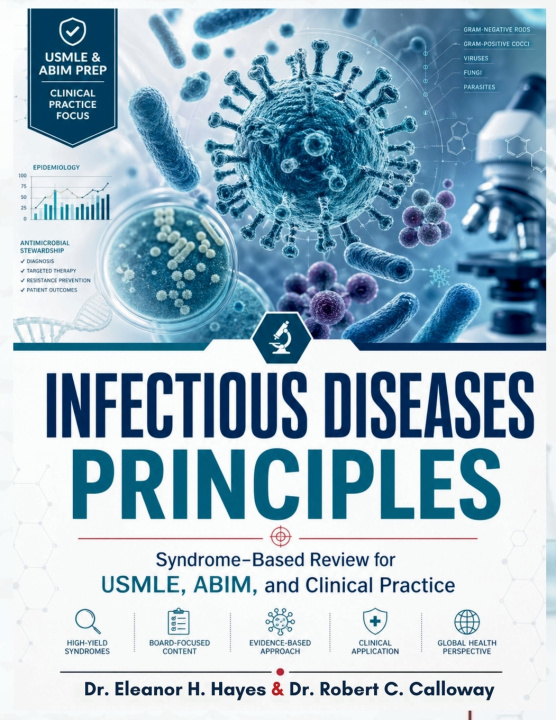
Infectious Diseases Principles is a focused guide to the recognition, diagnosis, treatment, and prevention of infections across clinical practice. It explains how infectious diseases develop, how they spread, how they present in patients, and how clinicians decide on appropriate investigations and therapy.
The book comprises:
Basic microbiology principles: bacteria, viruses, fungi, parasites, host response, and transmission patterns
Clinical approach to infection: fever evaluation, history-taking, examination findings, differential diagnosis, and risk assessment
Common infectious syndromes: respiratory, urinary, gastrointestinal, skin and soft tissue, bloodstream, central nervous system, and sexually transmitted infections
Diagnostic methods: culture, microscopy, serology, molecular testing, imaging, and interpretation of results
Antimicrobial therapy: antibiotic selection, resistance patterns, dosing principles, adverse effects, and stewardship
Prevention and control: vaccination, isolation precautions, outbreak response, hygiene, and public health measures
Special patient groups: children, older adults, pregnant patients, immunocompromised patients, and travelers
Each section connects scientific principles with practical clinical decision-making, helping readers understand the cause of infection, the likely organism, and the safest management pathway.
Get Infectious Diseases Principles today and strengthen your approach to diagnosing, treating, and preventing infectious diseases.