Książka Identities Matter Ju

Identities Matter

The Politics of Immigration and Incorporation

Język: Angielski
Oprawa: Twarda
Dostępność: Dostępna u dostawcy
Wysyłamy za 9-15 dni
476.33
Grandchildren of immigrants belonging to groups that have achieved high socioeconomic status choose...


Informacje o książce

Język
Angielski
Oprawa
Książka - Twarda
Data wydania
2025
strony
192
EAN
9780197794982
Enbook ID
46799540
Waga
417
Wymiary
156 x 235

Pełny opis

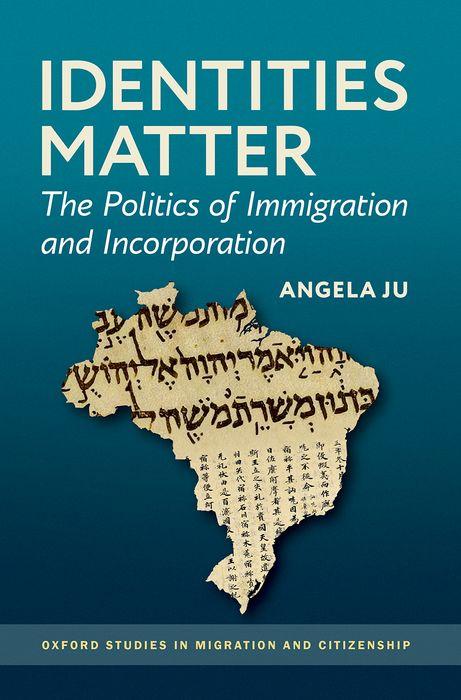
Grandchildren of immigrants belonging to groups that have achieved high socioeconomic status choose which identities to leverage in the host country''s political arena. The scholarship about political incorporation often assumes that immigrant groups and their descendants find it in their best interest to pursue mainstream political incorporation. Those immigrants who belong to ethnic minority groups might choose to engage politically in a number of ways, depending on their racial or economic status; Identities Matter: The Politics of Immigration and Incorporation looks at how descendants of minoritized groups who have achieved, generally speaking, high socioeconomic status choose to identify politically in their adopted nations. Contrary to many expectations about political and social incorporation of immigrants, it finds that assimilation is not necessarily advantageous for groups who are from or associated with countries that are more economically developed than their host country. When this is the case, these immigrant communities may choose to strategically associate themselves with the heritage country over the one in which they reside. The book draws on original research among third-generation Japanese and Jewish Brazilians to determine the seemingly paradoxical ways in which the descendants of immigrants choose which identities to emphasize in the political arena. It shows that immigrant communities'' strategies of political incorporation and social integration are framed within where they fall in existing ethno-racial and socioeconomic hierarchies, and that perceptions of discrimination drive third-generation descendants to vote in line with their ethnic interests. One particularly interesting finding is that in Brazil, a country that suffers from high levels of political corruption, Japanese Brazilian politicians are often incentivized to emphasize their Japanese-ness over their Brazilian-ness to convey to voters that they are more honest as political candidates than their "more Brazilian" opponents. Finally, ethnic community-based organizations allow these groups to leverage their identities transnationally.

Możesz być zainteresowany

New American Poet

Bruce Hansley
79.66

Ahe'ey

Jamie Le Fay
83.47
70.27

A Good Start

F B Meyer
27.85

Journey with the Holy Spirit

Angela Scott Simpson
64.31

Klienci, którzy kupili tę książkę, kupili również

24.53

Le chauffeur

Louis Lockert
86.79