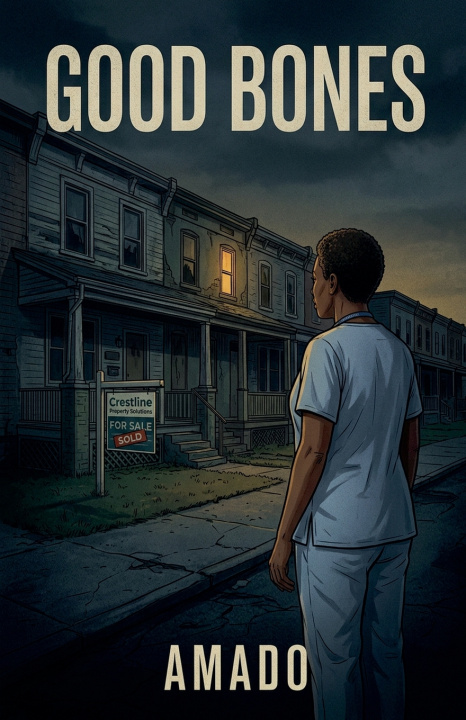
Three vacant care slots. Three dead clients. Three houses inside the same six-block radius.
For twenty-two years, Bertie Coates has made a life out of noticing what other people miss. As a home health aide in Millhaven, Pennsylvania, she knows the smell of every house on her route, the weight of every silence, the difference between ordinary decline and something that does not sit right. Her clients are old, proud, lonely, and stubbornly attached to the homes they spent their lives holding onto.
So when three of Bertie's longtime clients die within thirteen months, she tells herself what the job has taught her to say: people die. Grief looks for patterns. Loss makes the mind reach for meaning.
Then she sees the addresses.
Harold. Margaret. Clara. All homeowners. All within six blocks. All visited, in their final months, by strangers who sounded official enough to be trusted: a property assessor, a care coordinator, a consulting doctor, a community health program no one can quite name. Around them, a development company called Crestline Property Solutions is quietly acquiring houses, filing permits, and turning a thinning neighborhood into an opportunity.
Bertie is not a detective. She has no badge, no legal authority, and no reason anyone powerful should listen to her. What she has are twenty-two years of notebooks, the memory of every room she entered, and the sickening certainty that the deaths she grieved may have been part of something larger than grief.
As Bertie follows the paper trail from kitchen tables to county offices, from medical records to property transfers, she uncovers a system built to make pressure look like care, isolation look like aging, and exploitation look perfectly legal. But the closer she gets to the truth, the more she must ask herself what justice can mean for people who were harmed quietly, politely, and too late.
If a city can forget its most vulnerable residents while they are still alive, what will it take for one woman to make it remember?