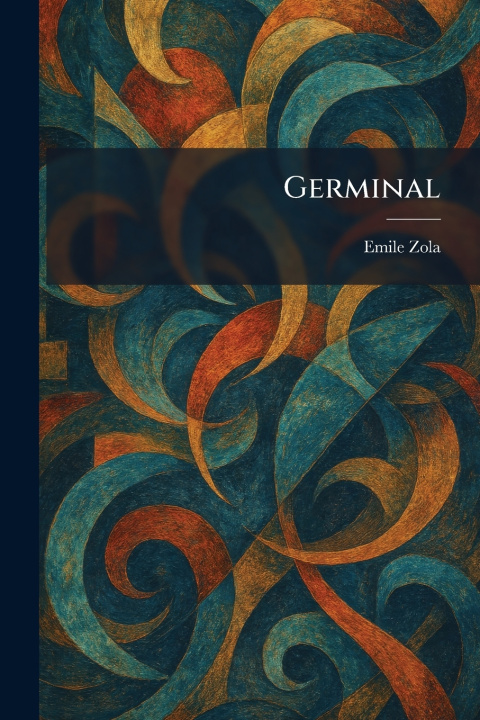
"Germinal" is a masterpiece of French naturalism that explores the harrowing struggle of coal miners in northern France during the mid-nineteenth century. The narrative centers on Étienne Lantier, a young migrant worker who arrives at the mining town of Montsou seeking employment. Finding a community crushed by oppressive poverty and dangerous working conditions, Étienne becomes a catalyst for change, eventually leading a desperate and violent strike against the powerful mining company.
Émile Zola provides a vivid, unflinching depiction of the brutal realities of industrial life, contrasting the visceral hunger and suffering of the miners with the detached comfort of the bourgeoisie. As a pivotal entry in the Rougon-Macquart cycle, the novel serves as a powerful indictment of social inequality and a profound study of human endurance. Celebrated for its epic scale and meticulous realism, "Germinal" remains a definitive literary exploration of class conflict and the burgeoning labor movements that would reshape the modern world. Zola's evocative prose captures both the claustrophobic darkness of the mines and the explosive revolutionary spirit of a people pushed beyond their limits.
This work has been selected by scholars as being culturally important, and is part of the knowledge base of civilization as we know it. This work was reproduced from the original artifact, and remains as true to the original work as possible. Therefore, you may see the original copyright references, library stamps (as most of these works have been housed in our most important libraries around the world), and other notations in the work.
This work is in the public domain in the United States of America, and possibly other nations. Within the United States, you may freely copy and distribute this work, as no entity (individual or corporate) has a copyright on the body of the work.
As a reproduction of a historical artifact, this work may contain missing or blurred pages, poor pictures, errant marks, etc. Scholars believe, and we concur, that this work is important enough to be preserved, reproduced, and made generally available to the public. We appreciate your support of the preservation process, and thank you for being an important part of keeping this knowledge alive and relevant.