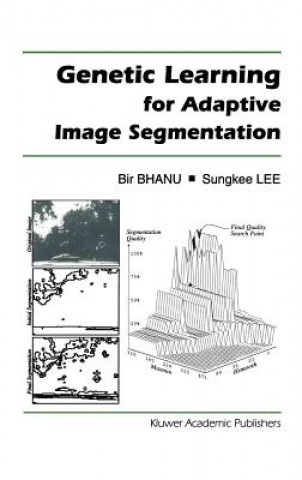
Książka Genetic Learning for Adaptive Image Segmentation Bir Bhanu

Genetic Learning for Adaptive Image Segmentation

Język: Angielski
Oprawa: Twarda
Wydawca: Springer
Dostępność: Dostępna u dostawcy w małych ilościach
Wysyłamy za 11-15 dni
725.10
Image segmentation is generally the first task in any automated image understanding application, suc...


Informacje o książce

Język
Angielski
Oprawa
Książka - Twarda
Data wydania
1994
strony
271
EAN
9780792394914
ISBN
0792394917
Enbook ID
05251337
Wydawca
Waga
1310
Wymiary
155 x 235 x 22

Pełny opis

Image segmentation is generally the first task in any automated image understanding application, such as autonomous vehicle navigation, object recognition, photointerpretation, etc. All subsequent tasks, such as feature extraction, object detection, and object recognition, rely heavily on the quality of segmentation. One of the fundamental weaknesses of current image segmentation algorithms is their inability to adapt the segmentation process as real-world changes are reflected in the image. Only after numerous modifications to an algorithm's control parameters can any current image segmentation technique be used to handle the diversity of images encountered in real-world applications. §Genetic Learning for Adaptive Image Segmentation presents the first closed-loop image segmentation system that incorporates genetic and other algorithms to adapt the segmentation process to changes in image characteristics caused by variable environmental conditions, such as time of day, time of year, weather, etc. Image segmentation performance is evaluated using multiple measures of segmentation quality. These quality measures include global characteristics of the entire image as well as local features of individual object regions in the image. §This adaptive image segmentation system provides continuous adaptation to normal environmental variations, exhibits learning capabilities, and provides robust performance when interacting with a dynamic environment. This research is directed towards adapting the performance of a well known existing segmentation algorithm (Phoenix) across a wide variety of environmental conditions which cause changes in the image characteristics. The book presents a large number of experimental results and compares performance with standard techniques used in computer vision for both consistency and quality of segmentation results. These results demonstrate, (a) the ability to adapt the segmentation performance in both indoor and outdoor color imagery, and (b) that learning from experience can be used to improve the segmentation performance over time. §

Możesz być zainteresowany

241.24

Volleyball

Matt Doeden
39.87
64.51

Pixar's Cars 3 (PVG)

Hal Leonard Corp
49.94
86.30
48.96
103.70
213.28

Lawfully Justified

Lorana Hoopes
56.68

Cigar Box Lithographs

Charles J. Humber
140.95

Complete Writings V1

William Walker Atkinson
224.23

Biennial Report

Colorado Dept of Public Instruction
82.88

Metal Forming

Chris Nielsen
939.57

In Defense of Public Debt

Barry Eichengreen
116.71

Klienci, którzy kupili tę książkę, kupili również

Kungsleden

Tobias Kostial
66.66
56.00

Heidi na cestách

Marie José-Maury
34.59

Urowen' depressii

Arifur Rahman
73.69

Psanec

Erik Kriek
103.61

Les Origines

Castello-Lopes
104.29

La oración, medicina del alma y del cuerpo

Giorgio . . . [et al. ] Lambertenghi
53.95
93.34

Beowulf

R.M. Wickberg
167.53

Az isteni üdvösség Anyja

Swami Amritaswarupananda Puri
52.68
61.38
66.66

Impressionisten

Julius Meier-Graefe
68.42