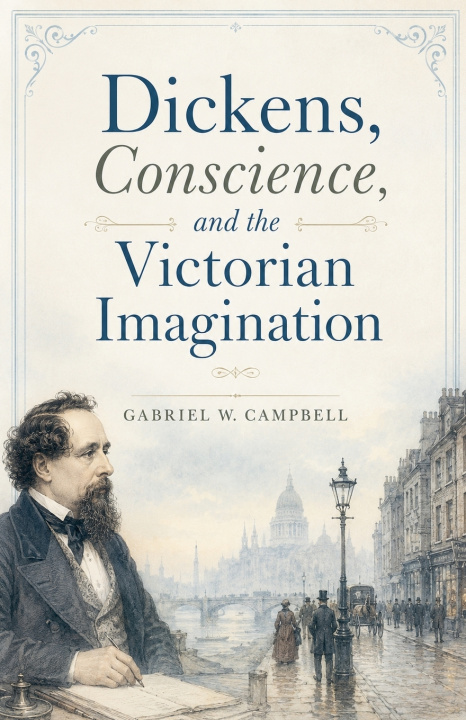
To approach Charles Dickens is to enter a world where the moral life is never abstract. It is lived in crowded streets, in cramped parlors, in countinghouses and courtrooms, in prisons both literal and psychological. His fiction insists that conscience is not a private whisper but a public force, shaped by the pressures of industrial modernity and the imaginative possibilities of storytelling. This book begins from the conviction that Dickens's work constitutes one of the nineteenth century's most sustained meditations on how individuals and societies learn to feel, judge, and act. His novels are not simply narratives of character and plot; they are laboratories of moral imagination, staging the conflicts, failures, and aspirations of a culture grappling with unprecedented social transformation. To read Dickens is to witness the Victorian conscience in motion.