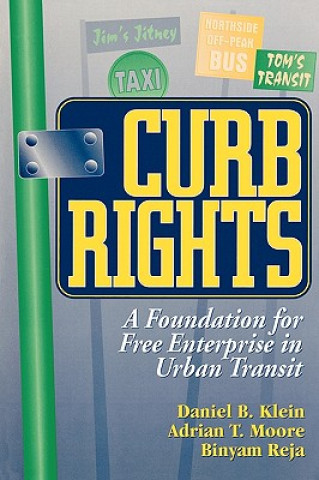
Transit services in the United States are in trouble. Ridership has dwindled, productivity has declined, and operating deficits have widened. The traditional approaches to running transit systems--government planning or operation of bus and rail services, government subsidization of private operations, heavy regulation of all transit modes--have failed, and there is little hope of their ever succeeding under current practices. But public transportation cannot simply be abandoned. Can it, then, be made more self-supporting and efficient? The authors of this book say it's time to rethink the fundamental structure of transit policy. The book focuses on street-based transit--buses, shuttles, and jitneys. (While street-based transit in the U.S. today usually means bus service, in other times and places streets have also been served by smaller vehicles called jitneys that follow a route but not a schedule.) The authors examine a variety of transit services: jitney services from America's past, illegal jitneys today, airport shuttle van services, bus deregulation in Great Britain, and jitney services in less developed countries. The authors propose that urban transit be brought into the fold of market activity by establishing property rights not only in vehicles, but also in curb zones and transit stops. Market competition and entrepreneurship would depend on a foundation of what they call " curb rights." By creating exclusive and transferable curb rights (to bus stops and other pickup points) leased by auction, the authors contend that American cities can have the best of both kinds of markets--scheduled (and unsubsidized) bus service and unscheduled but faster and more flexiblejitneys. They maintain that a carefully planned transit system based on property rights would rid the transit market of inefficient government production and overregulation. It would also avoid the problems of a lawless market--cutthroat competition, schedule jockeying, and even curbside conflict among rival operators. Entrepreneurs would be able to introduce ever better service, revise schedules and route structures, establish connections among transit providers, and use new pricing strategies. And travelers would find public transit more attractive than they do now. Once the system of curb rights is sensibly implemented, the authors conclude, the market process will take over. Then the invisible hand can do in transit what it does so well in other parts of the economy.