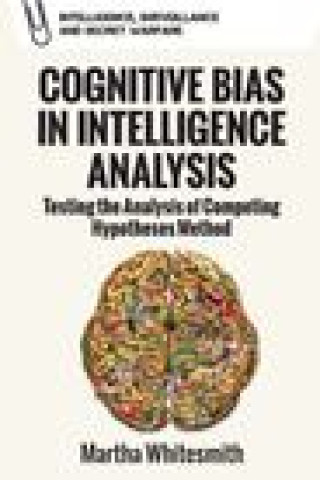
Książka Cognitive Bias in Intelligence Analysis Martha Whitesmith

Cognitive Bias in Intelligence Analysis

Testing the Analysis of Competing Hypotheses Method

Język: Angielski
Oprawa: Miękka
Dostępność: Dostępna u dostawcy
Wysyłamy za 14-21 dni
174.67
Tests whether the analysis of competing hypotheses reduces cognitive bias, and proposes a more effec...

Informacje o książce

Język
Angielski
Oprawa
Książka - Miękka
Data wydania
2022
strony
304
EAN
9781474466356
ISBN
1474466354
Enbook ID
38376732
Waga
470
Wymiary
234 x 156 x 24

Pełny opis

Tests whether the analysis of competing hypotheses reduces cognitive bias, and proposes a more effective approach
Reveals that a key element of current training provided to the UK and US intelligence communities (and likely all 5-EYES and several European agencies) does not have a proven ability to mitigate cognitive biasesDemonstrates that judging the credibility of information from human sources means that intelligence analysis faces greater complexity and cognitive strain than non-intelligence analysisExplains the underlying causes cognitive biases, based on meta-analyses of existing researchShows that identifying the ideal conditions for intelligence analysis is a more effective way of reducing the risk of cognitive bias than the use of ACH

Recent high-profile intelligence failures – from 9/11 to the 2003 Iraq war – prove that cognitive bias in intelligence analysis can have catastrophic consequences. This book critiques the reliance of Western intelligence agencies on the use of a method for intelligence analysis developed by the CIA in the 1990s, the Analysis of Competing Hypotheses (ACH). The author puts ACH to the test in an experimental setting against two key cognitive biases with unique empirical research facilitated by UK’s Professional Heads of Intelligence Analysis unit at the Cabinet Office, and finds that the theoretical basis of the ACH method is significantly flawed. Combining the insight of a practitioner with over 11 years of experience in intelligence with both philosophical theory and experimental research, the author proposes an alternative approach to mitigating cognitive bias that focuses on creating the optimum environment for analysis, challenging current leading theories.

Możesz być zainteresowany

Horce Symbols

Robert Hand
87.38
96.91
41.40

Modern Shunga

Matthew Martin
43.48

Effective Altruism and Do No Harm

Danielle Cohen Henriquez
138.32

Glass Half Full

Felix Dennis
41.40
158.58
246.27

Progressions

Robert P Blaschke
78.64

Klienci, którzy kupili tę książkę, kupili również

69.70
62.35