Książka After the Beautiful Robert B. Pippin

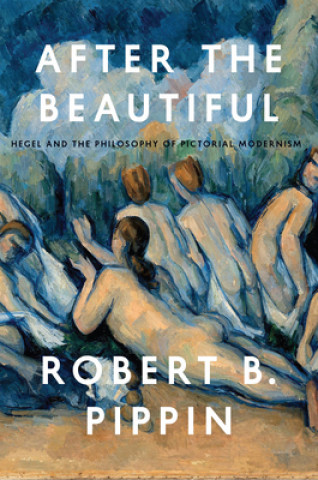
After the Beautiful

Hegel and the Philosophy of Pictorial Modernism

Język: Angielski
Oprawa: Miękka
Dostępność: Dostępna u dostawcy
Wysyłamy za 14-20 dni
114.96
In his Berlin lectures on fine art, Hegel argued that art involves a unique form of aesthetic intell...
Informacje o książce

Język
Angielski
Oprawa
Książka - Miękka
Data wydania
2015
strony
176
EAN
9780226325583
Enbook ID
09374502
Waga
264
Wymiary
229 x 155 x 35

Pełny opis

In his Berlin lectures on fine art, Hegel argued that art involves a unique form of aesthetic intelligibility--the expression of a distinct collective self-understanding that develops through historical time. Hegel's approach to art has been influential in a number of different contexts, but in a twist of historical irony Hegel would die just before the most radical artistic revolution in history: modernism. In "After the Beautiful," Robert B. Pippin, looking at modernist paintings by artists such as Edouard Manet and Paul Cezanne through Hegel's lens, does what Hegel never had the chance to do. While Hegel could never engage modernist painting, he did have an understanding of modernity, and in it, art--he famously asserted--was "a thing of the past," no longer an important vehicle of self-understanding and no longer an indispensable expression of human meaning. Pippin offers a sophisticated exploration of Hegel's position and its implications. He also shows that had Hegel known how the social institutions of his day would ultimately fail to achieve his own version of genuine equality, a mutuality of recognition, he would have had to explore a different, new role for art in modernity. After laying this groundwork, Pippin goes on to illuminate the dimensions of Hegel's aesthetic approach in the path-breaking works of Manet, the "grandfather of modernism," drawing on art historians T. J. Clark and Michael Fried to do so. He concludes with a look at Cezanne, the "father of modernism," this time as his works illuminate the relationship between Hegel and the philosopher who would challenge Hegel's account of both modernity and art--Martin Heidegger.Elegantly inter-weaving philosophy and art history, "After the Beautiful" is a stunning reassessment of the modernist project. It gets at the core of the significance of modernism itself and what it means in general for art to have a history. Ultimately, it is a testament, via Hegel, to the distinctive philosophical achievements of modernist art in the unsettled, tumultuous era we have inherited.

Możesz być zainteresowany

170.68

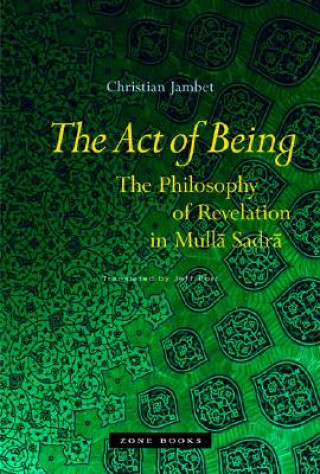
Act of Being

Christian Jambet
125.21

Propensity of Things

Francois Jullien
122.28
94.17
143.75
77.29
100.32
49.86

11 Missed Calls

Elisabeth Carpenter
59.62
111.54

Neurology

Dimitri M Kullman
1 148.31

Plastic Surgery

Riccardo F. Mazzola
663.64
186.20

Groping Toward the Light

Darrell Schweitzer
122.86

English Mantra

Janardan Mishra
65.09
79.53
40.69
116.32

Klienci, którzy kupili tę książkę, kupili również

213.92
50.94
64.01